Publishing content online has become easier than ever. Whether you are a blogger, freelance writer, business owner, student, or digital marketer, knowing how to Upload Article can help you share useful information with a wider audience. From personal blogs to professional publishing platforms, there are many places where writers can submit and publish their work.
However, simply uploading an article is not enough. The content should be useful, original, properly formatted, easy to read, and optimized for search engines. A well-prepared article has a better chance of attracting readers, earning engagement, and appearing in search results.
This guide explains what an article upload means, how to prepare your content, where you can publish it, and the best practices to follow before submitting your work.
What Does Upload Article Mean?
“Upload Article” generally refers to the process of adding a written piece of content to a website, blog, publishing platform, or content management system. Depending on the platform, you may be able to upload an article by copying text into an editor or submitting a document containing your content.
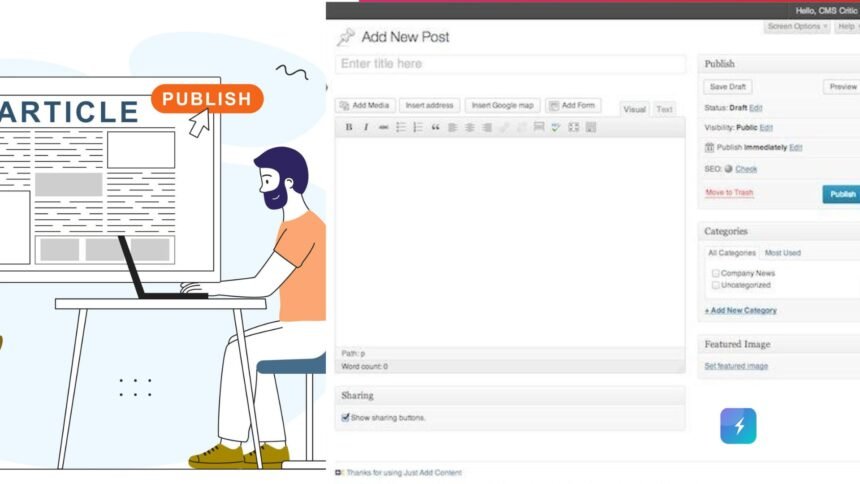
The process can be as simple as selecting an Upload Article button, entering a title, adding the article body, and publishing it. Some websites may also ask for categories, tags, images, author information, or a featured image.
For website owners, an article upload system can make content management much easier. Instead of manually editing website files, publishers can use a content management system to create, edit, schedule, and publish articles from one dashboard.
Why Is Article Uploading Important?
Uploading articles regularly can help websites maintain fresh and useful content. Search engines can discover new pages, while visitors have more information to explore. For businesses, articles can also answer customer questions and explain products or services.
For individual writers, publishing articles can help establish an online presence. A collection of useful articles can demonstrate writing ability, knowledge, and experience in a particular subject.
Some common benefits include:
- Sharing knowledge with an online audience
- Building a professional writing portfolio
- Increasing website content
- Attracting organic search traffic
- Educating potential customers
- Supporting a content marketing strategy
- Creating opportunities for audience engagement
The key is to focus on quality rather than simply uploading a large number of articles.
How to Upload an Article Online
The exact process depends on the website or platform, but most article submission systems follow a similar process.
1. Prepare Your Article
Before uploading anything, make sure your article is complete. Check the spelling, grammar, headings, links, facts, and overall readability.
Your introduction should clearly explain what the reader will learn. Keep paragraphs relatively short and divide the content into logical sections.
2. Create a Strong Title
The title is one of the first things readers see. It should accurately describe the content while giving people a reason to continue reading.
For example, instead of using a vague title such as “Article About SEO,” you could use “How to Improve Website SEO: A Beginner-Friendly Guide.”
3. Add the Article to the Editor
Most publishing platforms provide a text editor. You can paste your article into the editor and then format the headings, paragraphs, links, and other elements.
If the website supports document uploads, you may instead be asked to upload a Word or another supported file.
4. Add Images When Appropriate
Relevant images can make an article more engaging. Use images that are legally available for your intended use and make sure they are relevant to the subject.
A featured image can also improve the appearance of an article when it is displayed on a homepage, category page, or social media preview.
5. Choose Categories and Tags
Categories help organize articles on a website. Tags can provide additional context about specific subjects covered in the article.
Avoid adding dozens of unrelated tags. Choose only categories and tags that genuinely describe the content.
6. Preview and Publish
Always preview the article before publishing it. Check how it looks on the page, including headings, images, spacing, links, and mobile layout.
If everything looks correct, publish the article or schedule it for a later date.
Important Things to Check Before Uploading
A few minutes of proofreading can significantly improve the quality of your article. Before clicking the publish button, review the following areas:
| Element | What to Check |
|---|---|
| Title | Clear, relevant, and appealing |
| Introduction | Explains the topic quickly |
| Headings | Organized and descriptive |
| Paragraphs | Short and easy to read |
| Images | Relevant and properly sized |
| Links | Working and relevant |
| Keywords | Natural rather than repetitive |
| Grammar | Free from obvious errors |
| Originality | Not copied from another website |
| Formatting | Consistent throughout |
These checks can prevent simple mistakes from making an otherwise useful article look unprofessional.
How to Upload an SEO-Friendly Article
If your goal is to attract organic traffic, SEO should be considered before publishing. Search engine optimization helps search engines understand what your article is about and can improve its ability to appear for relevant searches.
Start by identifying the main topic and search phrase your audience is likely to use. Include the primary keyword naturally in important areas such as the title, introduction, and relevant headings.
However, avoid repeating the same keyword unnecessarily. Search engines are designed to understand topics and context, so an article should be written primarily for people.
You should also consider related terms and questions that readers may have. This creates a more comprehensive article without making the writing feel forced.
Write for Readers First
One of the most important article publishing principles is to write for humans rather than search engines alone.
Readers generally prefer content that answers their questions quickly and clearly. Large blocks of text can be difficult to scan, especially on mobile devices.
Use short paragraphs, descriptive headings, examples, tables, and bullet points where they improve understanding. Avoid unnecessary filler simply to increase the word count.
A 1,200-word article that genuinely answers the reader’s question can be more valuable than a 2,500-word article filled with repetition.
Where Can You Upload Articles?
There are many types of platforms where articles can be published. Your choice should depend on your goals and the type of content you create.
Personal or Business Website
Your own website gives you the greatest control over your content. You can publish articles, organize them into categories, add internal links, and build a long-term content library.
For businesses, a blog can also support customers by answering common questions and explaining services.
Publishing Platforms
Third-party publishing platforms allow writers to share their work with an existing audience. Each platform has its own rules, editorial standards, and publishing process.
Always read the platform’s guidelines before submitting an article.
Guest Posting Websites
Some websites accept articles from external writers. This is commonly known as guest posting.
If you submit a guest article, make sure it provides genuine value to that website’s audience. Avoid submitting identical articles to many websites because duplicate or low-quality content can reduce the usefulness of your publishing strategy.
Common Mistakes When Uploading Articles
Article publishing may seem straightforward, but several mistakes can affect the quality and performance of your content.
One common mistake is publishing without proofreading. Spelling errors, broken links, incorrect formatting, and missing images can make an article appear unfinished.
Another problem is keyword stuffing. Repeating a keyword in every paragraph can make the article uncomfortable to read and may weaken its quality. Keywords should fit naturally within the content.
Other mistakes include:
- Using copied or lightly rewritten content
- Writing very long paragraphs
- Using misleading titles
- Adding irrelevant links
- Publishing without checking mobile formatting
- Using poor-quality images
- Ignoring the target audience
- Focusing only on word count
Avoiding these issues can make the publishing process much more effective.
Tips for Better Article Publishing
If you plan to upload articles regularly, create a simple publishing routine. Start with topic research, prepare an outline, write the article, edit it, optimize it, and then publish.
Consistency is useful, but quality should always come first. Publishing one helpful article is better than uploading several weak articles that provide little value.
You can also review your older articles periodically. Update outdated information, replace broken links, improve unclear sections, and add useful information when necessary.
This can help keep your content useful as your website grows.
Upload Article vs Submit Article
The terms “upload article” and “submit article” are sometimes used interchangeably, but they can describe slightly different processes.
Uploading an article usually means adding content directly to a website or platform using its publishing system. Submitting an article often means sending your content to another website for review or publication.
For example, a website owner may upload an article directly to their blog. A guest writer, on the other hand, may submit an article to a publisher who decides whether it meets their editorial requirements.
Understanding this difference can help you choose the right publishing method.
Final Thoughts
Uploading an article is a simple process, but creating an article worth reading requires more effort. A successful piece of content should be original, well-structured, informative, and written for a specific audience.
Before publishing, take time to proofread the article, check your formatting, review your links, optimize the title, and make sure the content genuinely answers the reader’s needs.
Whether you are publishing on your own website, contributing to another platform, or building an online writing portfolio, consistent high-quality content can help you develop a stronger online presence. Instead of focusing only on uploading more articles, focus on uploading better articles that provide real value.
FAQs About Uploading Articles
How can I upload an article online?
You can usually upload an article by opening the website’s publishing or article submission page, entering your title and content, adding required information, and publishing or submitting it for review.
Can I upload an article for free?
Yes. Some websites and publishing platforms allow users to publish articles without paying a fee. However, each platform has its own rules and requirements.
What should an article contain?
A good article normally includes a clear title, introduction, useful sections, relevant information, and a conclusion. Images, links, tables, and bullet points can also be used when they improve the reader’s experience.
Should I use keywords when uploading an article?
Yes, if your goal is SEO traffic. Use relevant keywords naturally throughout the article, but avoid excessive repetition or keyword stuffing.
Can I upload the same article to multiple websites?
It is generally better to create original content for each publishing opportunity. If you republish content, check the platform’s rules and consider how duplicate versions may affect your SEO strategy.
How long should an online article be?
There is no universal ideal word count. An article should be long enough to answer the reader’s question thoroughly without adding unnecessary information. Focus on usefulness, clarity, and completeness rather than a specific number of words.